"Five Years of Impact: NextGen Precision Health"
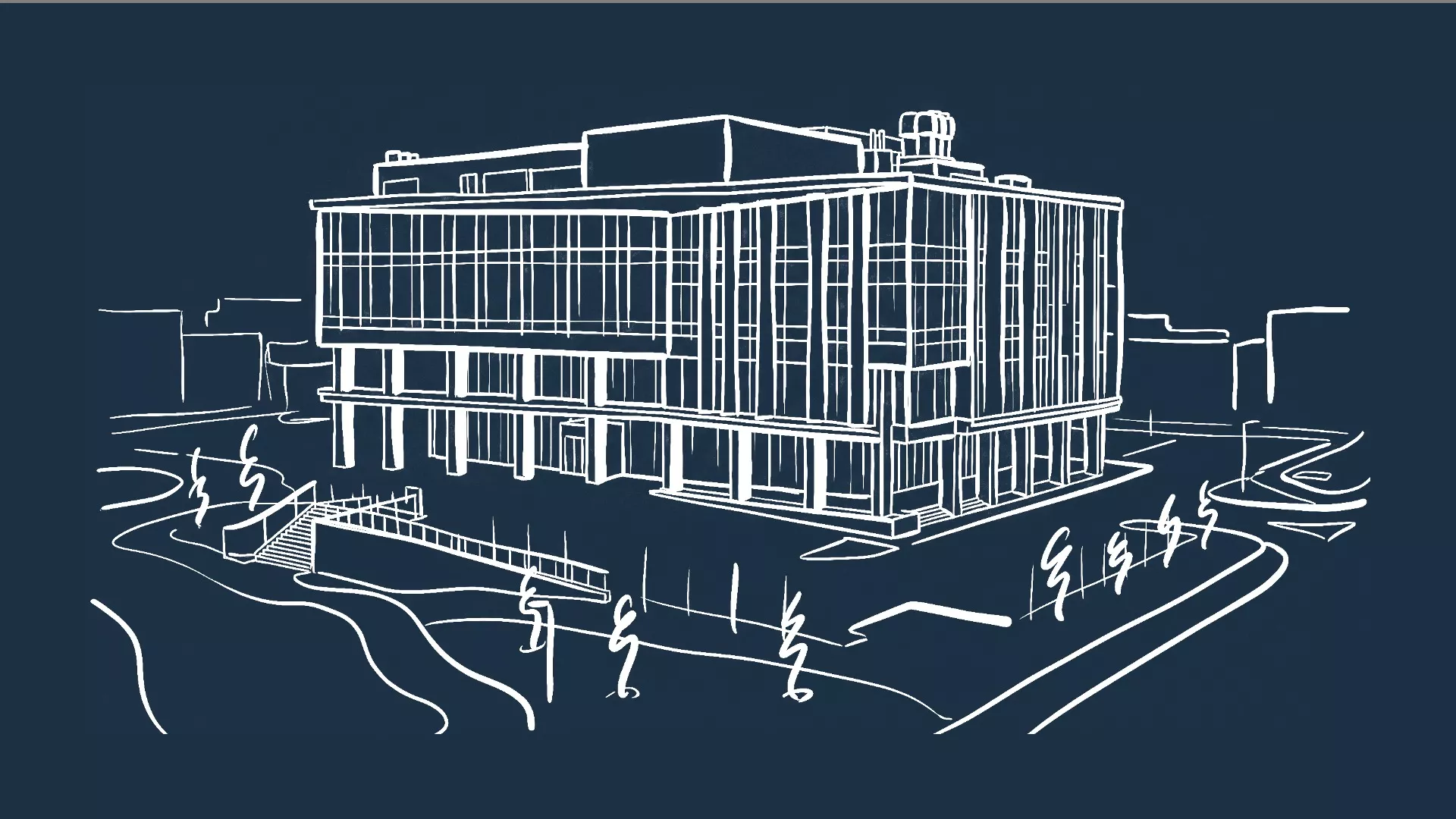
A progress report highlighting the first five years of the NextGen initiative, featuring seven vignettes of key projects from researchers in the Roy Blunt NextGen Precision Health building.
Date: October 20, 2026, noon-1 p.m.
Location:
Roy Blunt NextGen Precision Health Building, Atkins Family Seminar Room
1030 Hitt St, Columbia, Missouri, 65211
Lunch:
Starting at 11:30 a.m., be one of the first 50 attendees to check in, and you can claim a complementary lunch.
Register Here
Description
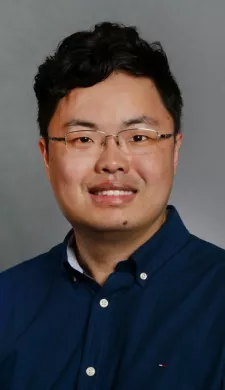
Jianlin Cheng, PhD |
Zheng Yan, PhD |
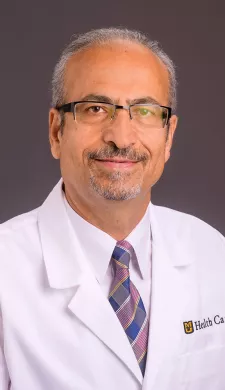
Haval Shirwan, PhD |
R. Scott Rector, PhD |
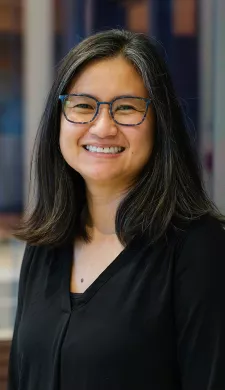
Ai-Ling Lin, PhD |
W. David Arnold, MD |
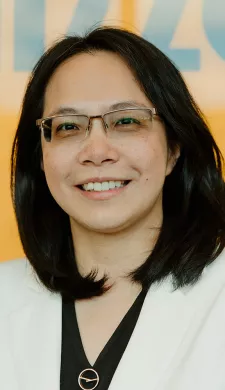
Joy Winuthayanon, PhD |
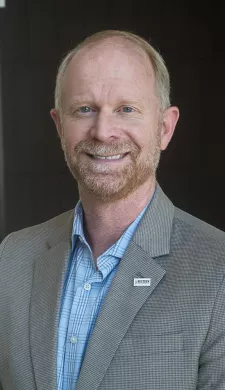
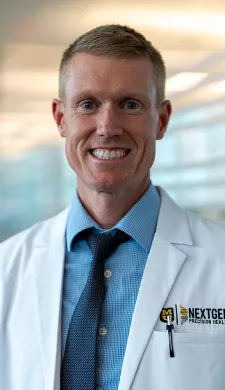
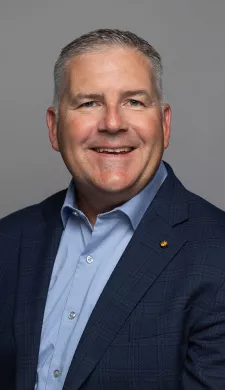
Tom Spencer, PhD |
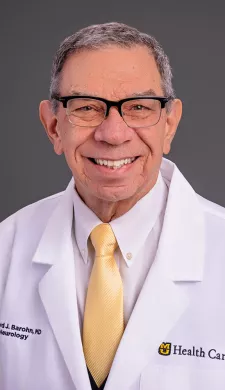
Richard Barohn, MD |
Forging ahead with a strong interdisciplinary foundation
The UM System's NextGen Precision Health initiative boasts a statewide network of collaborations, training programs, symposia, and seminars. It's headquartered at the Roy Blunt NextGen Precision Health building in Columbia, where 52 faculty researchers lead labs which are strategically organized for collaboration and motivated to accelerate new solutions for our state's toughest health challenges. Join us on October 20th for an overview of our progress so far, featuring outlines of standout projects from each of the NextGen building's seven focus areas: AI & Data Science, Biomaterials Engineering, Cancer & Immunology, Cardiovascular & Metabolic Disorders, Imaging (Radiology), Neuroscience, and Reproductive Health.
About the Speakers
AI & Data Science
Jianlin Cheng, PhD
Jianlin Cheng’s research is focused on developing bioinformatics, machine learning and artificial intelligence (AI) methods to analyze biomedical data (e.g., omics data) and address fundamental problems in biomedical sciences. With many years of support from the National Institutes of Health, National Science Foundation and U.S. Department of Energy, Dr. Cheng’s Bioinformatics and Machine Learning Lab has developed and applied bioinformatics and AI tools to predict and analyze protein structure, interaction and function; 3D genomes; and biological networks. His work is useful for studying molecular mechanisms underlying human health and diseases and designing drugs to treat those diseases.
Highlighted project: The group established MU as an international leader in artificial intelligence (AI) for protein structure and protein-drug interaction prediction. The lab developed AI methods that ranked among the world's best in the last two biennial Critical Assessment of Techniques for Protein Structure Prediction (CASP) competitions.
Biomaterials Engineering
Zheng Yan, PhD
Zheng Yan’s Soft Materials and Bio-Electronics Laboratory aims to advance science and technology of soft bioelectronics at the intersection of materials, mechanics, biology and electronics to solve challenges in human health care and robotic interface. Specifically, his research forms three interrelated clusters: 1) novel soft functional materials with built-in multifunctionality; 2) multimodal, closed-loop soft bioelectronics; and 3) cost-effective, scalable and customizable manufacturing of soft materials and bioelectronics.
Highlighted project: The group developed skin-like wearable electronics that remain comfortable, breathable, and highly accurate during everyday movement, enabling continuous monitoring of heart function and other health signals outside of hospitals. These technologies help bring clinical-grade healthcare monitoring into daily life and support earlier detection of disease.
Cancer & Immunology
Haval Shirwan, PhD
The primary focus of Haval Shirwan’s translational research program is to develop safe and practical approaches to modulate the immune system for the treatment of immune-based disorders. He co-pioneered with his colleague Esma S. Yolcu a proprietary platform known as ProtEx™ that allows for the generation of novel recombinant immune ligands and their positional display on biological surfaces. This practical and safe alternative to gene therapy for localized immunomodulation has applications in transplantation, autoimmunity, cancer and infections. Dr. Shirwan is an inventor on 25 issued and eight pending patents and founder/co-founder of three biotech startups.
Highlighted project: The group pioneered a transformative approach to cancer prevention by developing a novel immune-based platform with the potential to protect against multiple tumor types, redefining cancer care from treatment towards prevention.
Cardiovascular & Metabolic Disorders
R. Scott Rector, PhD
Scott Rector’s research takes a translational approach to examining chronic diseases and conditions such as obesity and Type 2 diabetes by employing strategies in cell culture systems, small- and large-animal models and intervention studies in humans. He is primarily focused on examining the nutritional, lifestyle and pharmacological interventions in animal models and human studies to help fight nonalcoholic fatty liver disease.
Highlighted project: The group uncovered a novel liver-brain metabolic axis showing that loss of hepatic ketone production causes cognitive decline and mitochondrial dysfunction in the brain, redefining the liver as a key regulator of brain health and highlighting ketone metabolism as a therapeutic target for neurodegeneration.
Imaging
Ai-Ling Lin, PhD
Ai-Ling Lin’s research on Alzheimer’s disease focuses on identifying effective pharmacological and nutritional interventions to prevent the disease in a mouse model carrying human APOE4 genes, the strongest genetic risk factor for developing Alzheimer’s. She also has applied artificial intelligence to identify markers that are highly predictive for Alzheimer’s disease development and progression and applied gut microbiome analyses to study gut-brain interaction underlying the disease.
Highlighted project: The group identified early precision medicine interventions to mitigate Alzheimer's disease in individuals with high genetic susceptibility and developed precision nutrition strategies to mitigate Alzheimer's disease through targeted modulation of the gut microbiome.
Neuroscience
W. David Arnold, MD
David Arnold’s research program is focused on translational neuromuscular physiology in the context of health, aging and disease. His lab leverages clinical and preclinical studies to understand mechanisms of biological aging of the nervous system as well as genetic, acquired and sporadic disorders of muscle and the motoneuron. Adding years to a person’s life is not Dr. Arnold’s primary goal. Instead, he is interested in mechanisms of decline of the nervous system and muscle during aging and understanding ways to improve resiliency of nervous system function across the lifespan.
Highlighted project: The group defined a novel mechanism of age-related neuromuscular junction dysfunction and demonstrated a therapeutic strategy to restore neuromuscular transmission and muscle performance.
Reproductive Health
Wipawee “Joy” Winuthayanon, PhD
Wipawee Winuthayanon's research involves multiple types of cells in the female reproductive tract that work in concert to provide an optimal microenvironment for gametes (eggs and sperm) and embryos to establish a successful pregnancy. Her lab studies how ovarian steroid hormones (estrogen and progesterone) affect fertility during sperm migration, fertilization, embryo development and embryo transport within the female reproductive tract. Dr. Winuthayanon's research uses genetically engineered mouse models to dissect the molecular mechanisms and functional requirement of estrogen and progesterone signals through their classical nuclear receptors (estrogen receptor ESR1 and progesterone receptor PGR) during early pregnancy. Her research aims to provide fundamental knowledge in reproductive biology during early pregnancy, potential contraceptive targets for both men and women and therapeutic approaches for infertility in humans.
Highlighted project: The group developed a new non-hormonal birth control approach. Our lab secured NIH funding to develop a new, reversible contraceptive that works without hormones. Instead of changing hormone levels, this approach blocks semen liquefaction, preventing sperm from reaching the egg. If successful, it could provide women with a new contraceptive option that avoids many side effects associated with hormonal birth control.
Master of Ceremonies
Tom Spencer, PhD
Vice Chancellor for Research, University of Missouri
Curators’ Distinguished Professor, Department of Animal Sciences, College of Agriculture, Food and Natural Resources
Curators’ Distinguished Professor, Department of Obstetrics, Gynecology and Women’s Health, School of Medicine
Moderator
Richard Barohn, MD
Professor of Neurology, School of Medicine
Former Executive Vice Chancellor for Health Affairs
Dean Emeritus, School of Medicine
Former Executive Director, NextGen Precision Health Initiative
About the Discovery Series
The NextGen Precision Health Discovery Series provides learning opportunities for UM System faculty and staff across disciplines, the statewide community and our other partners to learn about the scope of precision health research and identify potential collaborative opportunities. The series consists of monthly lectures geared toward a broad multidisciplinary audience so all can participate and appreciate the spectrum of precision health efforts.
For questions about this event or any others in the Discovery Series, please reach out to the NextGen team.