
“The Holy Grail: Therapy and Mechanism of Spinal Muscular Atrophy”
________________________________________________
Speaker: Arthur Burghes, PhD
Affiliated Professor, Molecular & Cellular Biochemistry
Professor, Biological Chemistry and Pharmacology
College of Medicine and College of Arts & Sciences
The Ohio State University
Date: March 12, 2024, noon-1 p.m.
Location: Roy Blunt NextGen Precision Health Building, Atkins Family Seminar Room
View the Recording
Description
When Dr. Arthur Burghes first became interested in spinal muscular atrophy (SMA), little was known about it outside of a brief passage in a medical textbook describing its symptoms and diagnosis. Despite that, the neuromuscular disorder was affecting 1 in 10,000 births, and 95% of those children would not make it to their 2nd birthday.
Everything began to change as the study of human genetics came of age, and Dr. Burghes eagerly applied those developments to SMA. He was involved in early mapping studies to locate and characterize the genes involved, SMN1 and SMN2, and he then developed the earliest mouse and pig models of the disorder. His team’s work led to the wide availability of FDA-approved gene therapies that save thousands of lives today.
In his talk, Dr. Burghes will describe the journey of those therapeutics from preclinical to clinical studies and then outline what work still remains to improve treatments.
At The Ohio State University, Dr. Burghes is an Affiliated Professor of Molecular & Cellular Biochemistry and a Professor of Biological Chemistry and Pharmacology in the College of Medicine and the College of Arts and Sciences. He performed graduate work at Hammersmith Hospital and earned his Ph.D. in Biochemistry from the University of London. He then came to the Hospital for Sick Children in Toronto for a fellowship under Dr. Ronald Worton which involved cloning the dystrophin gene.
Spinal Muscular Atrophy (SMA) research has generated three therapies for SMA that clearly work, and this talk presents how this was done. With the development of therapy, we need to know how these can be improved and how reduced levels of SMN give rise to this disease. In this regard, suppressor screens can be used to obtain SMN independent therapies and understand the critical function of SMN in SMA.
About the Speaker
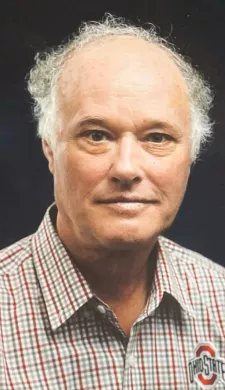
Professor Arthur Burghes received his Ph.D. in Biochemistry from the University of London. He performed his graduate work at the Hammersmith Hospital, which lies adjacent to Wormwood Scrubs — Her Majesty’s prison service, which he did not attend. He then moved to the Hospital for Sick Children in Toronto under the direction of Dr. Worton and was involved in cloning the dystrophin gene. He then moved to take up an assistant professor position in the Department of Biological Chemistry and Pharmacology where he started his work on Spinal Muscular Atrophy. At The Ohio State University, he has risen through the ranks to professor and undertaken research in SMA that has led to the current era of treatments. In particular, he was involved in early mapping studies to identify the location of the gene, characterization of the role of SMN2 in modifying the disease phenotypes an the development of animal model of SMA both mice and pigs. The mice and pig models were further used by researchers at nationwide Children’s Hospital and the Burghes laboratory to develop gene therapy for SMA. Currently the laboratory is undertaking fundamental studies to determine which functions of SMN are critical to the development of SMA using both suppressor and mutant SMNs.
About the Discovery Series
The NextGen Precision Health Discovery Series provides learning opportunities for UM System faculty and staff across disciplines, the statewide community and our other partners to learn about the scope of precision health research and identify potential collaborative opportunities. The series consists of monthly lectures geared toward a broad multidisciplinary audience so all can participate and appreciate the spectrum of precision health efforts.
For questions about this event or any others in the Discovery Series, please reach out to the NextGen engagement team at nextgen@umsystem.edu.